Hong Kong’s Immigration Department has simplified eligibility and enrollment for the self-service immigration clearance (e-Channel) for qualifying frequent visitors. Visit their website to learn more.

Speak now


I’m Sorry. I didn’t get that.
Robin’s Nest Country Park


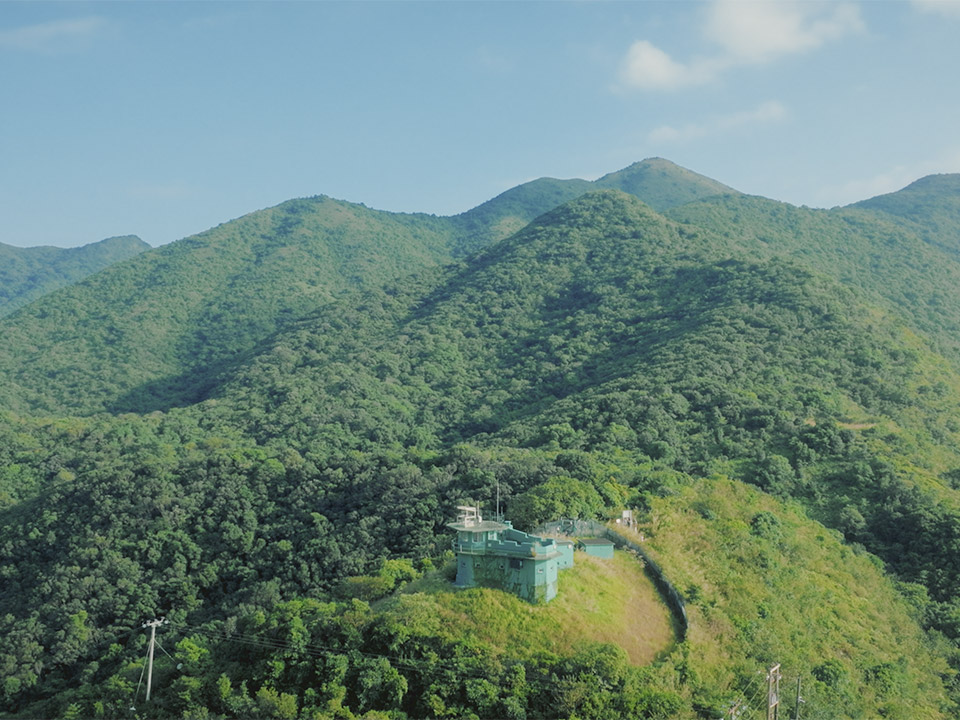
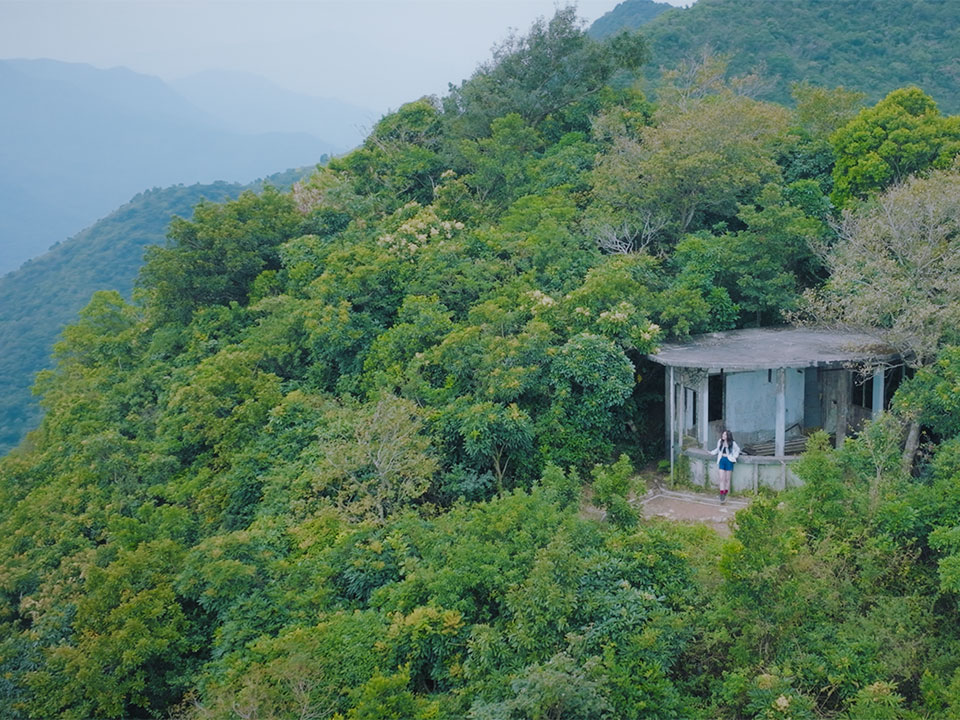
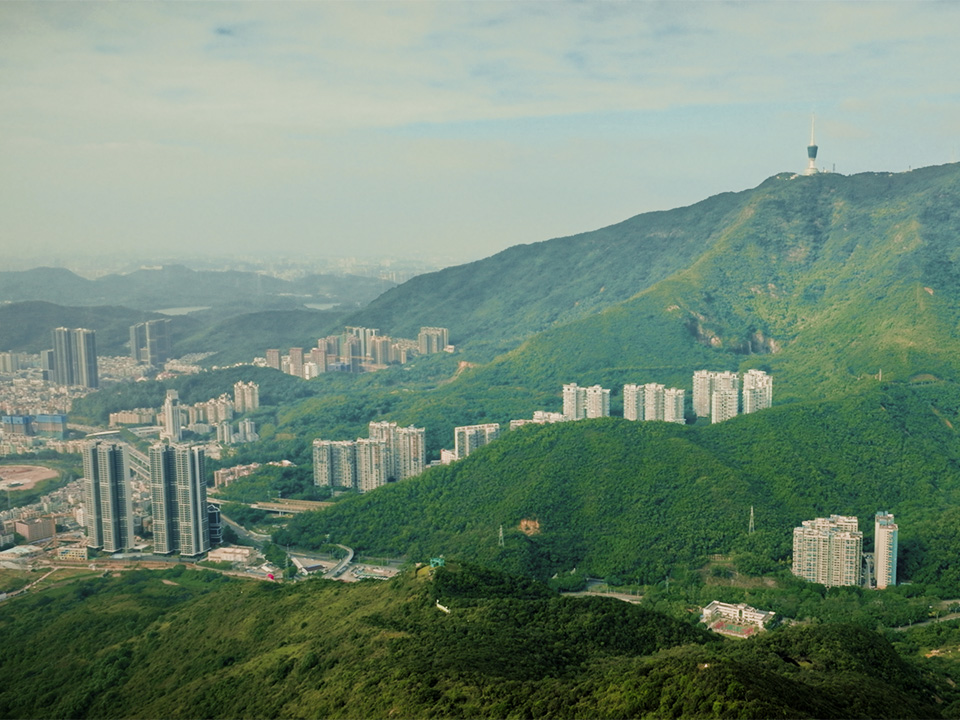
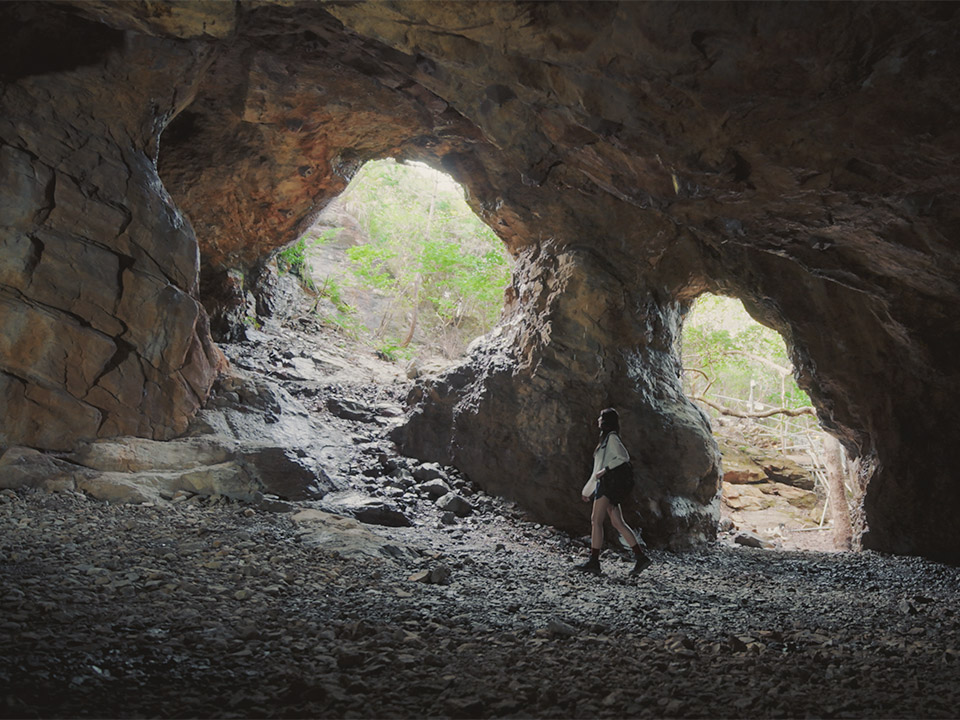
Robin’s Nest Country Park, located in the remote northeastern part of New Territories, spans 530 hectares and is known for its rich diversity of flora and fauna, historic relics and mountain peaks that offer magnificent views of the surrounding villages, bays and the mainland Chinese city of Shenzhen.
At various points along the trail, visitors can enjoy views of the Shenzhen Wutong Mountain Scenic Area and the hilltops of Pat Sin Leng.
Established in 2024, Robin’s Nest Country Park was once a defence frontier of the city, and many preserved wartime relics in the area are popular among visitors.

Nature Meets Historic Sites at Robin’s Nest Country Park
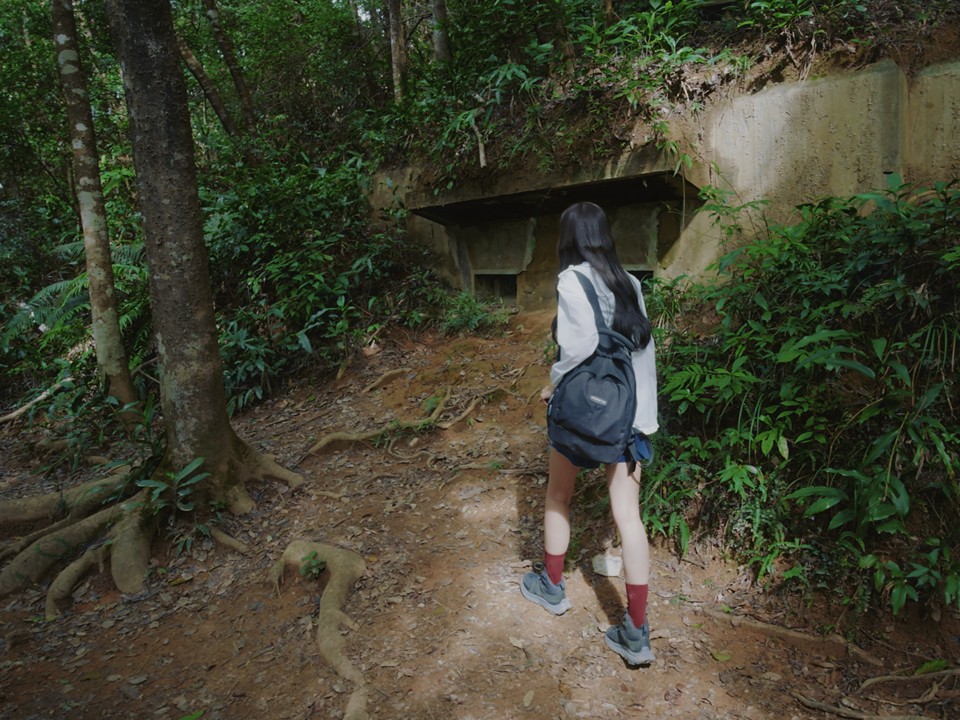
Near the entrance of Robin’s Nest Country Park, on Shan Tsui Village Road, a rectangular concrete structure can be seen half-buried by greenery.
It is one of the area’s former pillboxes built by Japanese forces during the Second World War, connected with trenches and a manmade pond nearby, which formed a military facility known as Japanese Battery Hill or Shan Tsui Battery.
The pillbox measures five metres in length and two metres in width, with walls approximately 50 centimetres thick. It was used as a boundary defence in the past and was thus designed to be naturally ventilated while withstanding heavy rainfall without flooding.
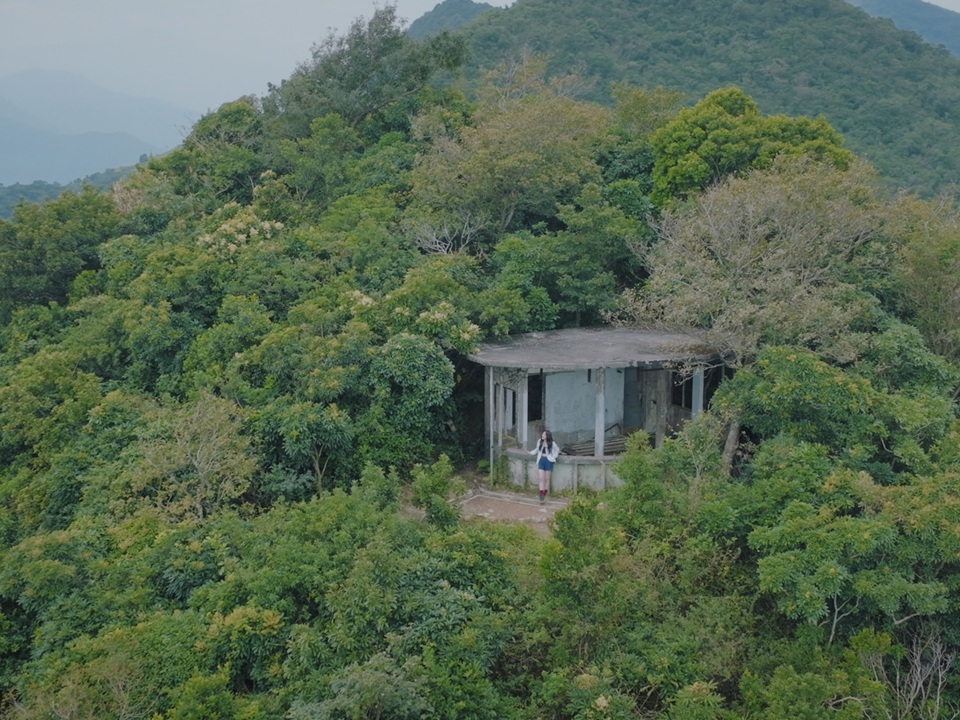
Atop Ah Kung Kok, one of the highest points of Robin’s Nest, stands a half-circle structure with a clear view of Shenzhen’s vibrant Yantian district. Further away, across Starling Inlet, you can see Plover Cove Country Park.
The building, constructed after the Second World War, was designed to capture a panoramic view of the border area for monitoring purposes. In those days, patrolling soldiers would have seen nothing but green fields and small villages scattered throughout the area.
Today, the same vantage point reveals a dramatically changed landscape, featuring a metropolis of diverse skyscrapers across the border in Shenzhen, along with snaking traffic on elevated highways, all juxtaposed with Hong Kong’s lush, rural surroundings.
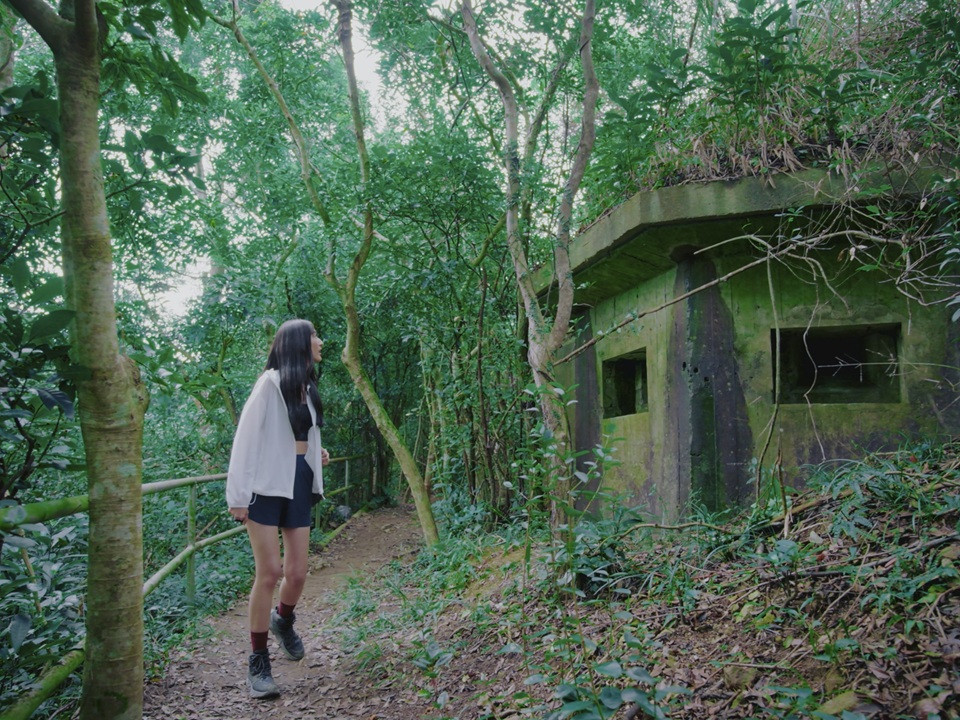
Unlike the Japanese pillbox at Shan Tsui, this polygon-shaped structure is located at a higher elevation, allowing the guards inside to aim at targets from multiple angles simultaneously.
In addition to being larger and taller, its design is also more complex. The undersides of the concrete porch have a groove that helps prevent rainwater from entering the interior through the narrowing embrasure openings. A rooftop ventilation shaft is also included to prevent carbon monoxide buildup from repeated gunfire.
The diagonal finishing where the interior walls meet the ceiling is a characteristic architectural feature of Japanese military buildings from that period.
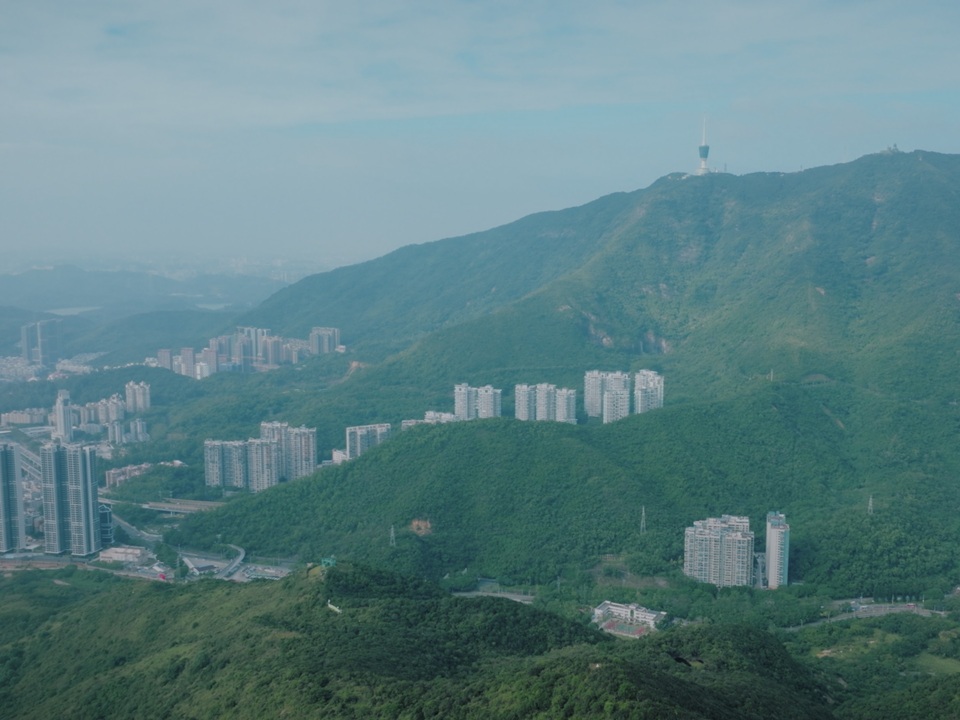
Soon after reaching Ah Kung Kok from Shan Tsui, the view to the northwest reveals the towering Shenzhen TV Tower perched at the top of Xiaowutong, which is one of the three main peaks of Shenzhen Wutong Mountain Scenic Area.
Geographically, Robin’s Nest, standing at 492 metres high, and Wutong Mountain, reaching 940 metres, share a rocky terrain and are connected by an ecological corridor.
Records show that this area is home to 30 species of mammals, 60 breeds of birds and 100 varieties of butterflies.
After passing a series of bushy areas inhabited by a variety of butterflies and flowers, such as the camellia-like white Hong Kong Gordonia and the pink chandelier-like Chinese New Year Flower, the trail winds westward to the 489-metre-tall Hung Fa Chai, one of the country park’s highest points.
From here, visitors can take in a spectacular view of the northern New Territories, Sha Tau Kok Frontier Closed Area and the city of Shenzhen.
This location highlights the sharp contrast between the urban sprawl across the border and the rural landscape at the foot of Robin’s Nest.
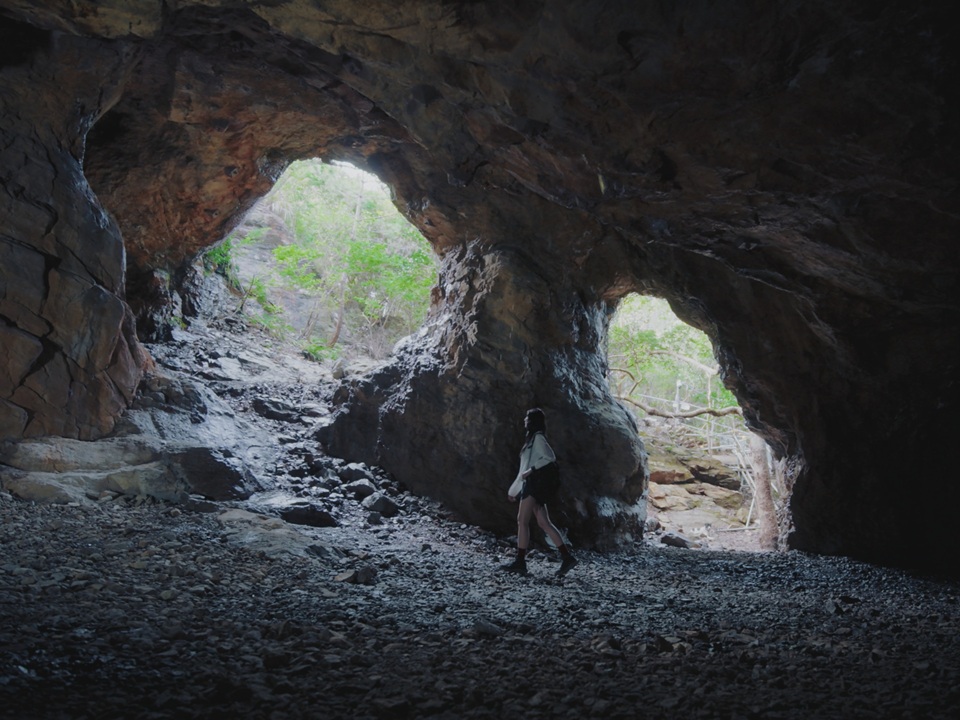
Between the summit of Hung Fa Chai and the descent to Lin Ma Hang Village lies a must-see site: the Lin Ma Hang Lead Mine. This mine was first developed in the mid-1910s, reached its peak production in the late 1930s, and officially ceased operations in 1951.
The mine remains abandoned, yet the cave and tunnels left behind have become a habitat for roosting bats and a popular attraction among adventurers.
The site has been revitalised as an open museum that showcases its geology, mining history and bat ecology.
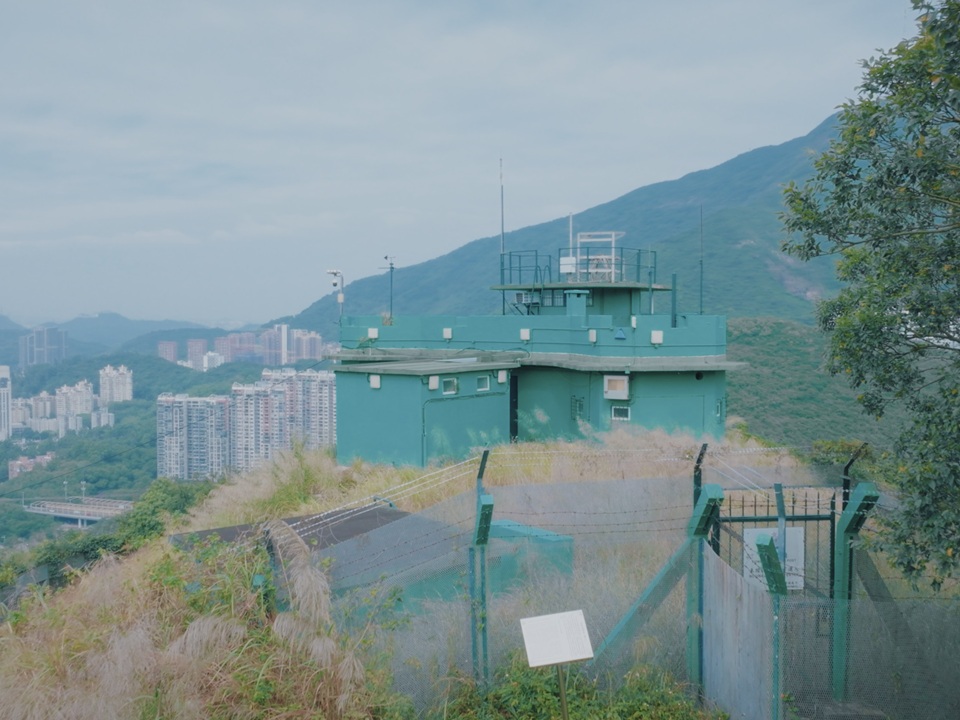
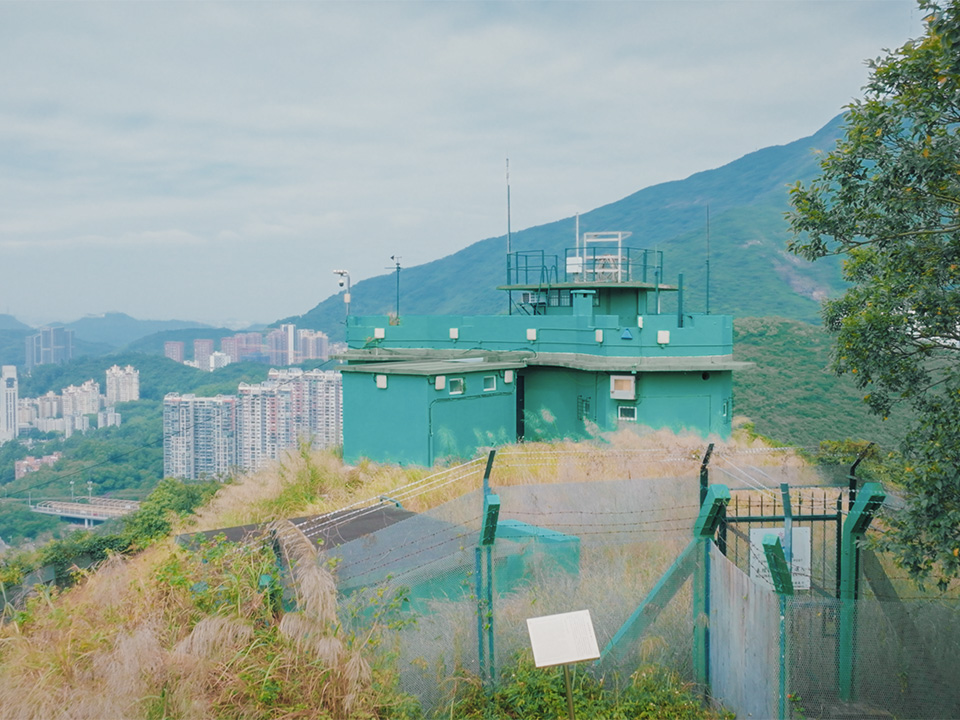
The security facility is one of the seven MacIntosh Forts built along the mainland border between 1949 and 1953. It has fulfilled its mission and was designated as a Grade II historic building in 2009.
The building features a reinforced concrete shell, a rooftop watchtower and crenellated parapets, which clearly indicate its defensive purpose.
Although the area surrounding the structure is fenced off, its military significance remains evident, even when viewed from a distance.

Dining
- Both MTR Fanling Station, from which the journey begins, and MTR Sheung Shui Station, the closest rail station to Lin Ma Hang, are connected to shopping malls that offer a wide range of dining options. The choices primarily consist of Asian cuisines, along with some local variations of Western dishes, such as spaghetti bolognese and burgers.
- There are no shops along the trails of Robin’s Nest Country Park, so it is advisable to stock up at the convenience stores at MTR Fanling Station or Sheung Shui Station.
Transport
Getting to Robin’s Nest Country Park
From MTR Fanling Station, Exit A2
- Take bus 78K and get off at Tam Shui Hang
- Head to Shan Tsui Road on the left and walk for 10 to 15 minutes
From MTR Sheung Shui Station
- Take bus 78K from Exit A4, or minibus 55K from Exit A3 or D1, and get off at Tam Shui Hang
- Head to Shan Tsui Road on the left and walk for 10 to 15 minutes
Leaving from Lin Ma Hang Village
To MTR Sheung Shui Station
Take minibus 59K at the Green Minibus Terminal
Information on this page is subject to change without advance notice.