Hong Kong’s Immigration Department has simplified eligibility and enrollment for the self-service immigration clearance (e-Channel) for qualifying frequent visitors. Visit their website to learn more.

Speak now


I’m Sorry. I didn’t get that.
Lam Tsuen Wishing Tree


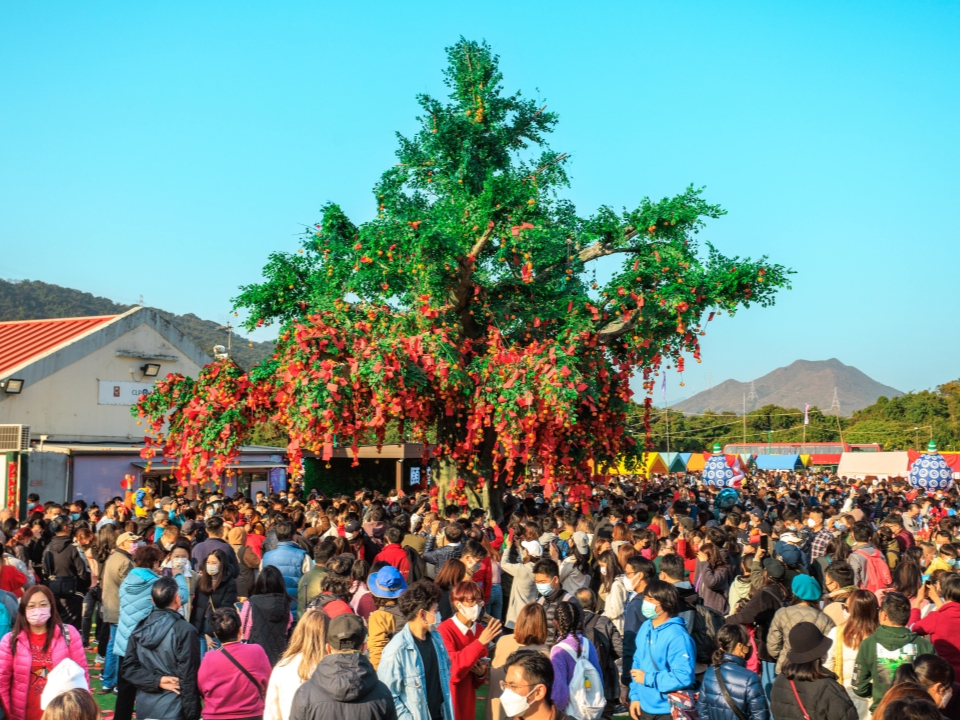
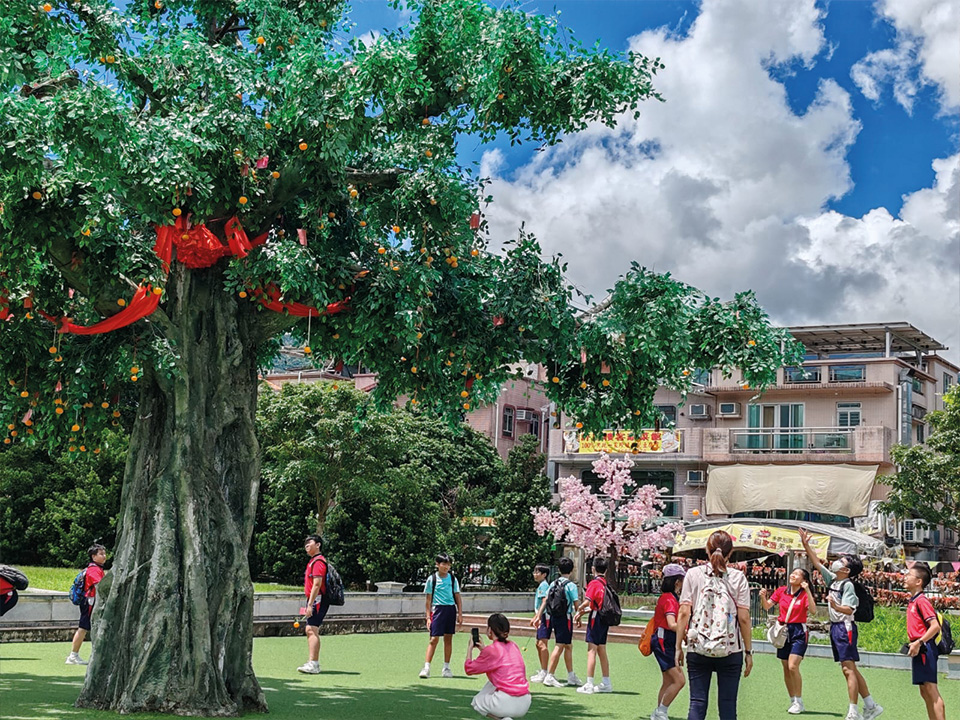
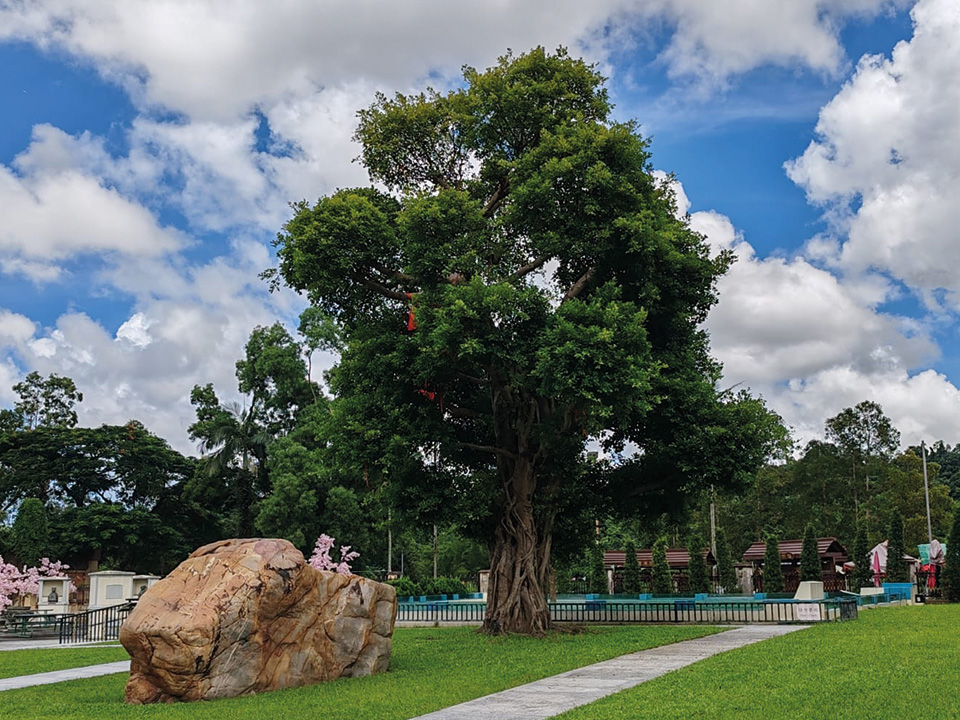
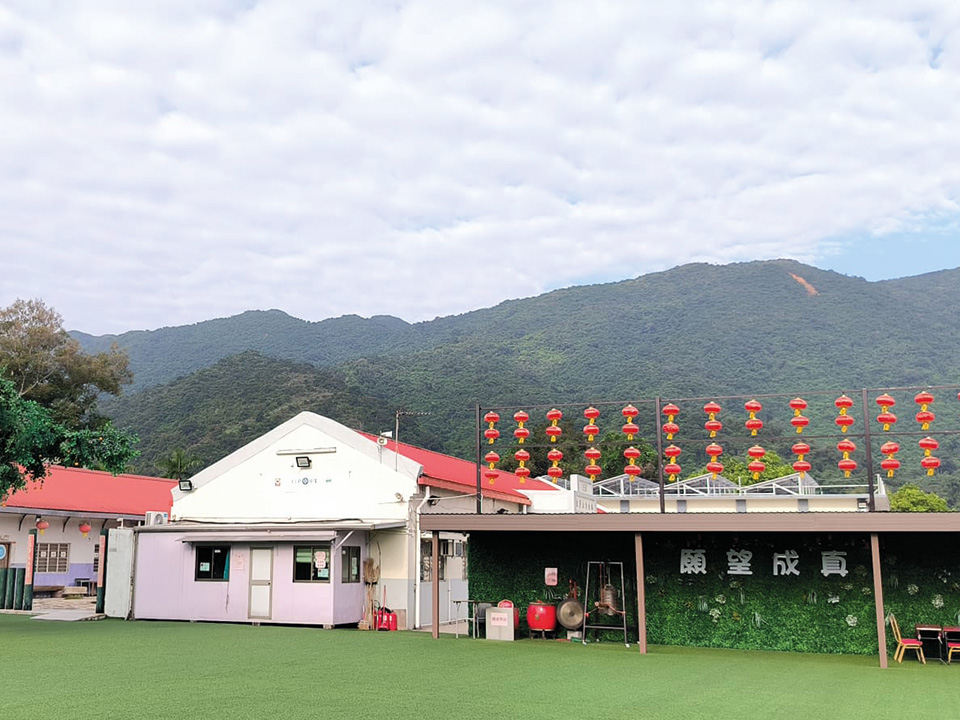
May your wish come true in a toss
The practice of making wishes at the Lam Tsuen Wishing Tree has deep roots in local folklore and tradition. Traditionally, villagers and visitors would write their wishes on placards and throw them into the tree. The belief was that the higher the wish landed, the better the chances of it coming true.
Surrounding rural communities
The Wishing Tree in Lam Tsuen is an integral part of the cultural heritage and traditions of this area. Lam Tsuen comprises 26 traditional villages, including five Punti (indigenous) villages and 21 Hakka villages. The Wishing Tree is located in Fong Ma Po, one of the Punti villages, and is situated near the historic Tin Hau Temple, which dates back to 1768.
A must-visit during Chinese New Year
Every year, particularly during Chinese New Year, visitors flock to the Wishing Tree to make their wishes. The local community gathers to celebrate and uphold this cherished tradition. The festivities often include cultural performances, traditional food stalls and various activities that highlight the rich heritage of Lam Tsuen.
Continuing traditions in a more sustainable way
However, due to the popularity of this practice, the weight of thrown placards has harmed the trees, prompting concerns for their preservation. To protect this cherished natural symbol, the traditional practice of throwing wishes into the tree has been discouraged.
Instead, alternative arrangements have been made to allow worshippers to continue the tradition in a more sustainable manner. These include designated areas where wishes can be hung safely, preserving the cultural practice and the tree.
Guardian of the fishing community
The Tin Hau Temple, located nearby, adds to the spiritual ambience of the Wishing Tree. Dedicated to the Goddess of the Sea, the temple is a significant religious site for the local villagers, many of whom are descendants of fishermen who have inhabited the area for over 700 years.
Information on this page is subject to change without advance notice.