
Speak now


I’m Sorry. I didn’t get that.
Che Kung Temple


The legend of Che Kung
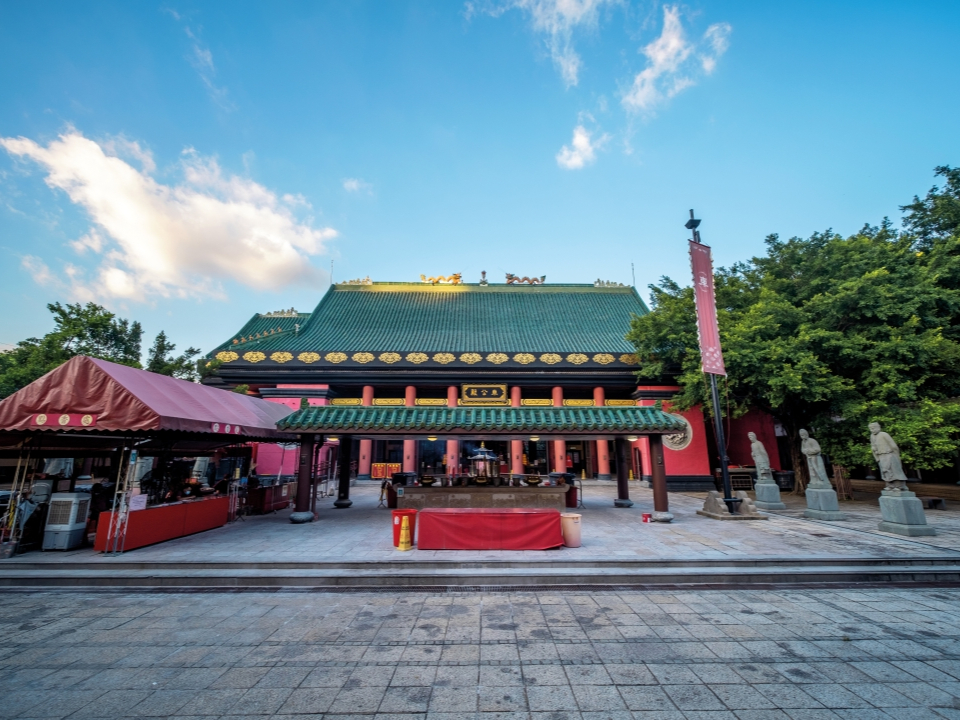
The Che Kung Temple near Sha Tin is a place brimming with history, culture and a bit of mystery. Che Kung was a military commander during the Southern Song Dynasty (AD 1127–1279). Known for his incredible bravery and remarkable strategies in battle, he became a legendary figure.
Over time, his reputation for protecting people and warding off evil grew so much that he was revered as a god. People began to build temples in his honour, believing he could protect them from harm.
The plague repellent
According to local legends, the villagers of Sha Tin were plagued by a severe epidemic. Desperate for a solution, they decided to invoke the spirit of Che Kung, hoping his protective powers could save them.
Miraculously, after they built a small shrine and prayed to him, the epidemic ended. Grateful and in awe, the villagers decided to erect a temple in his honour, which became the Che Kung Temple we know today.
Inside the temple
Although there has been a temple on this site for hundreds of years, the current structure is relatively new with the renovations in 2012, the temple retains traditional architectural elements that transport you back in time.
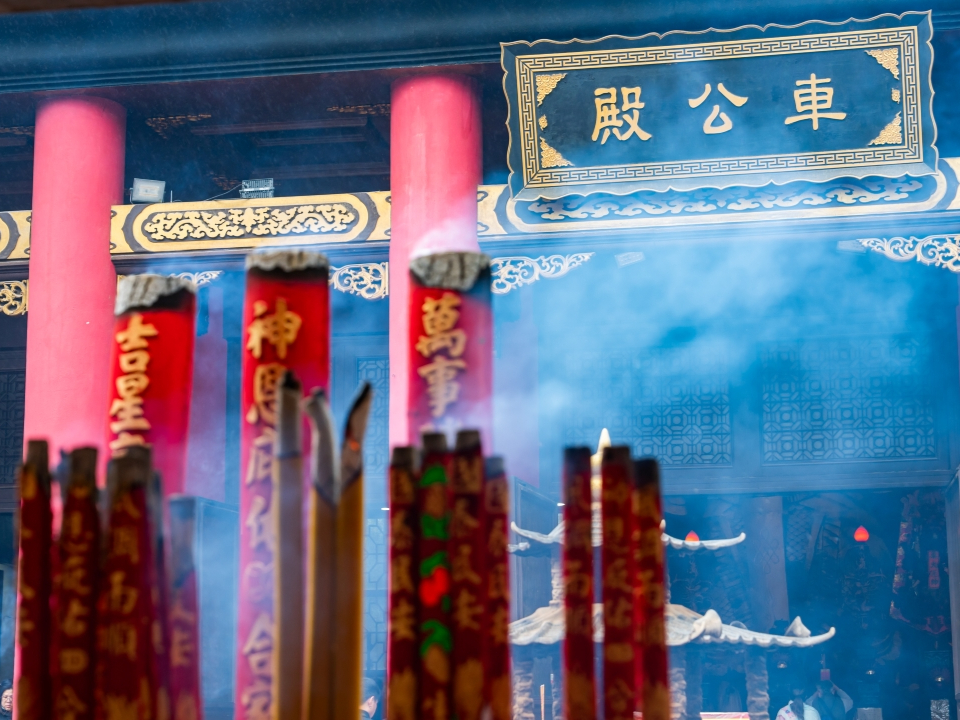
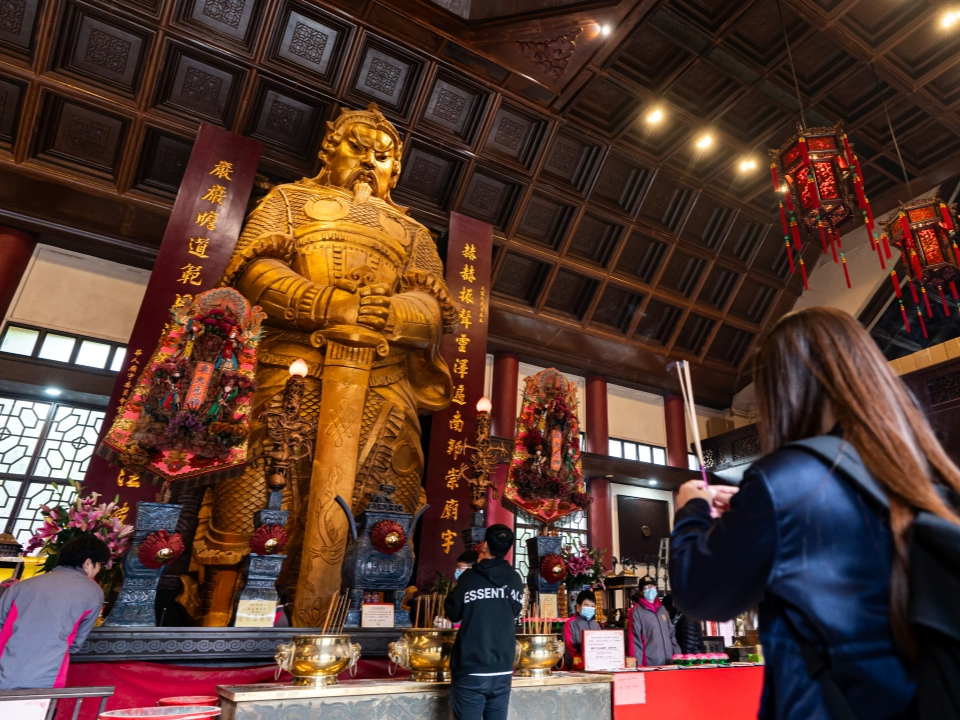
Once inside, you’ll find the main hall with its high ceilings and intricate designs. The walls and columns are adorned with beautiful carvings and paintings that depict various scenes from Che Kung’s life and Chinese folklore. One of the most striking features is the giant golden statue of Che Kung himself, standing tall and commanding respect from all who visit.
Che Kung Festival
If you want to experience it in all its glory, plan your visit during the Che Kung Festival, which usually falls in late January or early February, depending on the lunar calendar.
The temple becomes a hub of vibrant activity with traditional performances, food stalls and throngs of visitors coming to pay their respects and spin the famous fan-bladed wheel of fortune for good luck.
If you prefer a quieter experience, weekdays in the early morning are ideal. You can take your time to explore the temple grounds and soak in the peaceful atmosphere.
Information on this page is subject to change without advance notice.